மீண்டும் ஷியா கொலைகள் அதிகரிக்க ஆரம்பிக்கின்றன.
பாகிஸ்தானில் டேரா இஸ்மாயில் கான் என்னும் இடத்தில் ஷியாக்கள் படுகொலை செய்யப்பட்டுள்ளார்கள். இந்த இடம் ஷியா சுன்னி கலவரம் அதிகம் நடக்கும் இடம் என்பது குறிப்பிடத்தக்கது.
25 ஏப்ரல் அன்று மூன்று ஷியாக்கள் கொலை செய்யப்பட்டார்கள்பிபிஸி செய்தி
அதே இடத்தில் 27ஆம் தேதி வெளியே கடையில் உட்கார்ந்திருந்த இரண்டு பேர்கள் பைக்கில் சென்ற மர்மநபர்களால் கொலை செய்யப்பட்டார்கள்.
அதனால், அங்கு ஊரடங்கு உத்தரவு செய்யப்பட்டுள்ளது.
கலீஜ் டைம்ஸ் செய்தி
Curfew in Pakistan town after two more killings
(AFP)
27 April 2007
DERA ISMAIL KHAN, Pakistan - Authorities clamped a curfew on a northwestern Pakistani town after two people were shot dead in the latest in a series of sectarian killings, police said Friday.
Armed men on motorcycles fired at people sitting in an Internet cafe in the town of Dera Ismail Khan late Thursday. One man died on the spot and the other in hospital, senior police official Rab Nawaz told AFP.
‘The victims belonged to rival Shia and Sunni Muslim sects and the killings appear to be linked with Wednesday’s shootings in which three people were killed,’ Nawaz said.
Officials have blamed Wednesday’s attacks on Sunni Muslim militants.
Police imposed a curfew and sealed the town after Thursday’s shootings and paramilitary troops were patrolling the streets, while the military has been put on alert, a police spokesman told reporters.
The curfew would be relaxed from 1:00pm (0800 GMT) to 4:00pm for traditional Friday prayers, he said.
The latest shootings came after eight people died in similar attacks in Dera Ismail Khan and surrounding areas in March.
Sectarian violence between Pakistan’s Sunni and Shia communities has claimed more than 4,000 lives since the late 1980s. Shias account for about 20 percent of Pakistan’s 160 million Sunni-dominated population.
--
ஒரே கடவுளைத்தான் கும்பிடுகிறோம் என்று சொல்லிக்கொள்ளும் இந்த இரண்டு பிரிவினரிடமும் இப்படிப்பட்ட கொலைவெறி இருப்பது ஆச்சரியமாக இருக்கிறது.
இருவருமே தங்களை முஸ்லீம்கள் என்று சொல்லிக்கொண்டு மதம் மாற்றுகிறார்கள். ஆனால், எந்த பிரிவுக்கு தாங்கள் மாறுகிறோம் என்று தெரியாமல் மதம் மாறி ,பிறகு 1400 வருடங்களுக்கு முன்னர் நடந்த ஒரு விஷயத்தின் காரணமாக, வன்முறையில் மாட்டிக்கொண்டு உயிரை அனாவசியாக இழக்கும் அப்பாவிகளுக்கு என் மன்மார்ந்த அனுதாபங்கள்.
Saturday, April 28, 2007

பாகிஸ்தானில் இந்துக்களின் சோலிஸ்தானி கலைவிழா

சோலிஸ்தானைச் சார்ந்த இந்துக்களின்கலைவிழாவான வாதி பண்டிகை கலை விழா விமரிசையாக நடந்தது.
அதுபற்றிய பாகிஸ்தான் பத்திரிக்கை டெய்லி டைம்ஸ் செய்தி
Cholistani art steals day two of Waahdi Festival
By Hina Butt
LAHORE: Friday was the second day of the Waahdi Mela that exhibited the Cholistan lifestyle of the Hindus. The ambiance was of a village with dancing women and camels on traditional Cholistani music.
One of the musicians at the scene, Preetam Da0s, said that he played the ‘Ranti’, which has been played for nearly 2,000 years to welcome visitors who cross the ‘Kakra’ river to come to Cholistan. Women used to play it earlier, dressed up in their regional wear, ‘Ghagra’ and ‘Phottian’, and heavily accessorised to attract travelers.
The ‘Suranda’ was another instrument he commented on, saying that it was played to seek happiness. He mentioned the ‘Sunk’ was played as a call to the animals in the desert, but was earlier used to call the gods. Then he said the ‘Ektara’ was played to wish well to those who became hermits for spiritual gain, and the ‘Murli’ was played to control snakes. He said that very few people knew the art of playing these instruments nowadays.
Muneer Ahmed, who wove ‘Flassi’, a hand woven rug, said that it took about five days to complete. He also made cushions, bags, mats and decoration pieces. He makes the mats out of camel hair, which is very costly, but a lack of resources doesn’t allow him to sell his work in further off areas, where he would be adequately compensated. He said government officials had now signed a contract with him to export his work.
Surjan Ram made the ‘Khussa’ shoes, which he sold at various cities. It took him about four days for a pair and his wife made bed sheets and floor mats with patchwork.
Preetam Das revealed the living conditions of Hindus in Cholistan. He said they were treated with no respect and were discriminated against. He said the dishes Hindus got served in at restaurants in Cholistan were different from those of the Muslims. He also said the government had solved their problem of water shortage, but they still did not have enough residential area. He requested the government to improve their living standards.
Friday, April 27, 2007
2003இல் தென்னாப்பிரிக்க இந்து கன்வென்ஷனில் ஜனாதிபதி ம்பெகி ஆற்றிய உரை

தென்னாப்பிரிக்க ஜனாதிபதி ம்பெகி அவர்கள் தென்னாப்பிரிக்க இந்து கன்வென்ஷனில் ஆற்றிய உரை.
மிகச்சிறப்பாக உரையாற்றிய ஜனாதிபதி அவர்களுக்கு நன்றிகளும் பாராட்டும்.
Address at the Opening of the Hindu Convention
6 September 2003
Master of Ceremonies,
President of the South African Hindu Maha Sabha, Mr AshwinTrikamjee
His Excellency, Indian High Commissioner, Mr Muckerjee,
Minister Pahad and KZN MEC's,
Deputy Mayor of Ethekwini,
Vice Chancellor of UDW, Dr Saths Cooper,
Distinguished delegates,
Ladies and Gentlemen:
It is a real pleasure for me to speak at this very important first ever Convention of the Hindu organisations of our country.
The process we are beginning today constitutes a significant development in the evolution of our society. There was a time when it was unthinkable that a religion which, according to the Apartheid ideology, was outside the officially sanctioned religious mainstream, could assume its rightful place in our spiritual life.
Apartheid not only suppressed political freedom, but also stifled religious choices. Through forced removals, there has always been destruction of the most sacred places of our people. As we know, during removals, graves, temples, halls and other cultural institutions were destroyed in areas such Cato Manor, Riverside and Clairwood.
Indeed, one of the grave consequences of forced removals was the disintegration of the family system and traditional lifestyles.
We all know that deep and lasting attachments to our places of birth and abode form an important part of our consciousness. Homes, temples, churches, mosques, schools and burial places are places that define human existence and the disruption of such emotional human constructions destroy the human soul.
It took the Hindu community a long time to rebuild their places of worship in relocated areas such as Lenasia, Chatsworth and Phoenix.
In its submission to the TRC, the South African Hindu Maha Sabha emphasised that the religious sites in areas such as Chatsworth and Phoenix were readily sold to any willing buyer. Scant regard was shown to the owners and users of these sites as their religious beliefs were despised by those who ruled our country.
In the new South Africa all religions are recognised and there is freedom of worship. We also believe that religious organisations must be at the forefront of inculcating strong religious and moral values in a society that is trying to reconstruct itself from the ravages of apartheid.
Given our divided history, religious organisations have an important role to play in the reconstruction and development of our country, especially in the welfare and civil society sectors.
In this regard, there are many lessons that we can and must learn from the Hindu religion.
You would know better than me, that volunteerism has long been an integral part of Hindu society, dating back to 1 500 BC when it was mentioned in the Rig Vedas. Indeed, this tradition in India plays an important role in social and economic development.
We know that volunteer campaigns help in the fields of education, medicine, cultural promotion and during times of crises such as droughts, floods, epidemics and foreign invasions. Through these contributions the disadvantaged and the poor are taken care of by social mechanisms outside the state - through the family structure, social groups, guilds, and individual religious philanthropy.
Individual and religious philanthropy have always been interrelated. One of the most important lessons of the Hindu religion is the principle of hospitality and charity, which is part of an important hallmark of Vedic culture.
As we know, our country and people are engaged in the volunteer and self-reliance campaigns of Vuk'uzenzele and Letsema. Today, we have a duty to unite the good and noble teachings of volunteerism of the Hindu faith with the campaigns that our people are conducting.
In this way, we will be able to attend to the many challenges facing our society.
The diffusion of this spirit across all sections of our society is a necessary condition to the sustenance of the values of selflessness and the new patriotism engendered by our democracy.
I am informed that Hinduism, the world's oldest religion, has no beginning - it precedes recorded history. It has no human founder and, as one of its illustrious sons, Mahatma Ghandi once said, "it is a relentless pursuit after Truth".
This historic gathering of representative Hindu organisations of our country also constitutes a tribute to Mahatma Ghandi, and the ideas he lived for, and for which he ultimately paid the supreme price.
We all know the impact of Ghandi's ideas, not only here in our country and India, but the world over; and the philosophical impulses that drove the Civil Rights Movement in the United States of America. Mahatma Ghandi's championship of the cause of the harijans teaches us that we too must act in support of the poor and marginalised.
Chairperson,
There is a general view that Hinduism arrived on our shores in South Africa in 1860. However, archaeological sources have suggested that Hinduism had been in Southern Africa for at least 400 years earlier.
Clearly, if archaeological findings are anything to go by, the links between Africans and the Hindu people goes back to the days of yore. We can conclude from this that there have always been mutual respect, exchanges, trade, and communications between the peoples on both sides of the Indian Ocean.
Today, research and evidence show clear links between Hinduism and indigenous African religions. And like Hinduism, the African faiths have lived for thousands of years, in unbroken continuity.
We affirm that the essence of humanity as expressed by this religion shows us to be one.
The falsehoods peddled by colonial discourse that history on these shores, like anywhere else in the world, dawned only with the arrival of the colonisers has already been proved to be false.
We know that the South African Hindu Maha Sabha, the national voice of Hindus in our country was formed in 1912. The wisdom and foresight of its founders are discernible in the present membership of the Maha Sabha and its affiliates across the country.
This is the same year that the African people met to form the ANC to fight for our rights and for the democracy that we are enjoying today.
Being primarily a religious body, the South African Hindu Maha Sabha initially devoted much of its attention to the religious needs of Hindus in our country. However, because of the abnormal situation that obtained in our country, it was inevitable that members of this faith had to unite with their compatriots to fight for the common cause of freedom.
Accordingly, we are happy that for many years the South African Hindu Maha Sabha contributed to the national effort for the creation of a society where all people are equal. We are indeed strengthened by the fact that members of the Hindu community continue to work for the transformation of our country.
It is not surprising, therefore, that the president of the Maha Sabha is also the chairperson of the National Religious Forum.
I am confident that this Convention will mark the beginning of another exciting era in the history of Hinduism as a religion in our country. We are sure it will assist Hinduism to make and even greater contribution towards the spiritual enrichment of our diverse society, and the development of our nation. It will empower the Hindu community of our people to enhance its contribution to peace in our country.
Through our actions together, all the people of South Africa will be able to live up to the wise words from the Rig Veda:
Come together, talk together,
Let our minds be in harmony.
Common be our prayer,
Common be our end,
Common be our purpose,
Common be our deliberations,
Common be our desires,
United be our hearts,
United be our intentions,
Perfect be the union among us.
(10 - 191:2)
On behalf of our government and people, I am pleased and honoured to wish this important Conference success. We look forward to the outcome of your deliberations.
I thank you.
இயேசுவும் சூரியனும் ஒன்றா?
இயேசு கிரிஸ்து என்பது சூரிய வழிபாடு என்று இந்த வீடியோ சொல்கிறது.
இயேசு கிரிஸ்து உயிருடன் வந்தார் அவரது எலும்புகள் என்று பெட்டியை காட்டினால், அதெல்லாம் பொய் என்று கிரிஸ்துவர்களே சொல்கிறார்கள்.
சூரிய வழிபாடுதான் இயேசு கிரிஸ்து வழிபாடு என்று இந்த வீடியோ சொல்கிறது.
அறிந்தவர்கள் சொல்லலாமே.
இயேசு கிரிஸ்து உயிருடன் வந்தார் அவரது எலும்புகள் என்று பெட்டியை காட்டினால், அதெல்லாம் பொய் என்று கிரிஸ்துவர்களே சொல்கிறார்கள்.
சூரிய வழிபாடுதான் இயேசு கிரிஸ்து வழிபாடு என்று இந்த வீடியோ சொல்கிறது.
அறிந்தவர்கள் சொல்லலாமே.
நியூஸிலாந்து இந்து கவுன்ஸில் கூட்டம். அனைவரும் வருக
நியூஸிலாந்தில் ஆக்லாந்தில் இந்து கவுன்ஸில் கூட்டம் நடைபெற உள்ளது.
"நியூஸிலாந்து நல்வாழ்வுக்கு இந்துக்களின் பங்கு" என்ற தலைப்பில் இந்த கருத்தரங்கு நடைபெற உள்ளது.
இந்து பாரம்பரிய மய்யத்தில் நடைபெறும் இந்த நிகழ்வுக்கு அனைவரும் வருக.
ஆதரவு தருக..
New Zealand Hindu Conference
The theme of the 1st New Zealand Hindu Conference is 'The contribution of Hindus to the National Life of New Zealand'. It will cover the economic, environmental, social and cultural aspects.
Hindus believe in the ideal of Vasudhaiva Kutumbakam (the world is one large family). 80-85% of the Indian population are Hindus. In New Zealand, Hindus have come from many countries including Fiji, India, South Africa, United Kingdom, Nepal, Sri Lanka, Malaysia, and the Caribbean.
The conference will have invited and voluntary papers and an exhibition. Workshops will be conducted to discuss issues which are common to all Hindu organisations, and also to the wider community, such as health and social, women, youth and elderly.
Hindu Heritage Centre (HHC) is 8.5 acres of land and buildings (previously Te Wananga O Aotearoa campus) and is now run by Hindu Heritage Charitable Trust which is registered under the Charitable Trusts Act 1957. The mission of HHC are to deliver services of education, self development, cultural development, sports development, and care for the elderly, youth and children; and to bring all like-minded organisations and institutions in New Zealand together to promote universal human value and co-existence.
cost:
tbc
dates:
Sat 12 May 07 - Sun 13 May 07, every day, 9:00am - 5:00pm
venue:
Hindu Heritage Centre, Bukem Place, Mangere, Auckland
region:
Auckland, New Zealand
Thursday, April 26, 2007
சிரிப்பு தாங்கலை
முகம்மது நபியவர்கள் சொன்ன நல்ல கருத்துக்கள் இதெல்லாம் என்று சொல்லி சமூகத்தை நல்வழிப்படுத்துவதை விட்டுவிட்டு இப்படியெல்லாம் பூச்சுற்ற வேண்டுமா?
ஈராக்கில் சியா சுன்னி போரால் 700000 பேர் வீடிழந்தனர்
சுமார் 7,00,000 பேர்கள் சியா சுன்னி சண்டையால் ஈராக்கில் சொந்த வீட்டை விட்டு ஓடி அகதிகளாக வாழ்கிறார்கள் என்று ஐக்கியநாடுகள் சபை கூறுகிறது.
சென்ற வருடம் சமாரா நகரில் அல் அஸ்காரி ஷியா கோவிலில் நடந்த குண்டுவெடிப்பில் ஆரம்பித்த ஈராக்கிய சியா சுன்னி சண்டையின் காரணமாக ஷியா பெரும்பான்மையில் வசித்த சுன்னிகளும் சுன்னி பெரும்பான்மையில் வசித்த சியாக்களும் பாதுகாப்பான இடங்களுக்கு ஓடியதில் இதுவரை 7லட்சம் பேர்கள் இவ்வாறு இடம் பெயர்ந்துள்ளார்கள் என்று கணக்கெடுக்கப்பட்டுள்ளது.
More than 700,000 Iraqis fled homes since shrine bombing Wed Apr 25, 3:54 AM ET
BAGHDAD (AFP) - More than 700,000 Iraqis fled their homes amid the sectarian violence that surged after the bombing of a Shiite shrine in 2006, the United Nations Assistance Mission for Iraq said Wednesday.
In its January to March 2007 report on the human rights situation in Iraq, UNAMI said these people were in addition to the 1.2 million displaced before last year's demolition of the revered shrine in the town of Samarra.
"Some 117,901 families or estimated 707,000 persons have been forced to flee their homes due to sectarian violence since the bombing of the Al-Askari shrine in Samarra on February 22, 2006," UNAMI said.
Sunni Al-Qaeda militants bombed the shrine, triggering nationwide sectarian bloodshed that continues to this day.
The report said that, with 120,000 internal refugees, Baghdad has borne the brunt of the chaos.
"Many of these were displaced from within Baghdad, moving to more ethnically homogenous and safer areas, while their houses were either given to or were occupied by other displaced families," the report said.
Nearly 87 percent of the displaced people are seeking refuge in the centre and south of the country, it added.
UNAMI said people primarly fled due to direct threats to their lives because of their sect or religion, generalised violence or forced displacement.
Baghdad has become the epicentre of sectarian bloodshed, with armed gangs from the Sunni and Shiite communities killing, torturing and driving people from rival sects out of their homes.
To quell the daily bloodletting in the capital, around 80,000 US and Iraqi troops are partrolling the streets.
The report further said that up to eight million Iraqis were in "vulnerable" position and needed immediate assistance.
"A total of 1.9 million are internally displaced and four million are estimated to be acutely vulnerable due to food insecurity," it said adding the worst affected governorates are from central and southern parts of Iraq.
சுன்னிகள் சியாக்களையும் சியாக்கள் சுன்னிகளையும் வீட்டோடு வைத்து கொளுத்துகிறார்கள் என்று அறிக்கை கூறுகிறது.
மிகவும் வருத்தத்துக்குரிய செய்தி.
இவர்கள் மனிதர்கள், சக மனிதர்களையும் அவர்களது பண்பாட்டையும் மதிக்க வேண்டும், வன்முறை வழியை நாடக்கூடாது என்று இவர்களுக்கு அறிவுறுத்த வேண்டும்.
ஒரு பக்கத்தில் வன்முறை வழியை நாடுவது, சமாதானமாக செல்ல விரும்பும் பக்கத்து மனிதர்களையும் வன்முறை வழியை நாட வைத்துவிடும்.
தக்காளிக்கு பர்தாவா வெள்ளரிக்காய்க்கு பர்தாவா?
இஸ்லாமிய ஷாரியா என்றால் கொஞ்சம் ஜாக்கிரதையாக இருக்க வேண்டியது அவசியம். அதுவும் தக்காளி வெள்ளரிக்காய் என்றால் இன்னும் கொஞ்சம் ஜாக்கிரதியாக இருப்பது நல்லது.
ராய்ட்டர்ஸ் செய்தி
http://seattletimes.nwsource.com/html/nationworld/2003675519_iraqsplit21.html
American commanders cite al-Qaida's severe brand of Islam, which is so extreme that in Baqouba, al-Qaida has warned street vendors not to place tomatoes beside cucumbers because the vegetables are different genders, Col. David Sutherland said.
தக்காளியையும் வெள்ளரிக்காயையும் பார்த்து எப்படி ஆண்பால் பெண்பால் கண்டுபிடிப்பார்கள் என்று தெரியவில்லை. வெள்ளரிக்காய் பெண்பாலா ஆண்பாலா?
தக்காளியையும் வெள்ளரிக்காயையும் பக்கத்து பக்கத்தில் வைத்து நம் ஊர் தள்ளுவண்டி காரர்கள் எல்லாம் வெள்ளந்தியாக விற்றுக்கொண்டிருக்கிறார்கள்.
நம் ஊர் அல்-உம்மாவில் அவர்கள் மாட்டாமலிருக்க இறைவனை இறைஞ்சுகிறேன்.
தலையை மூடிக்கொண்டு செல்லாததனால், 100க்கும் மேற்பட்ட ஈரானிய பெண்கள் கைது
தலையை மூடிக்கொண்டு செல்லாததனால், 100க்கும் மேற்பட்ட ஈரானிய பெண்கள் கைது
ஈரானின் ஆளும் அரசாங்கம் திடீரென்று ஈரானிய பெண்கள் தங்களது தலைமுடியை சூரியவெளிச்சம் படும்படி வைத்திருப்பதால் ஈரானிய கலாச்சாரம் இஸ்லாமிய கலாச்சாரம் எல்லாம் கெட்டுப்போய் விடும் என்று முடிவு செய்து டெக்ரானில் அப்படி தலைமுடி தெரியும்படி சென்ற பெண்களை எல்லாம் கைது செய்ய ஆரம்பித்திருக்கிறது.
அக்மத் நெஜத் என்ற ஈரானிய ஜனாதிபதி டெக்ரான் போலீஸை இதற்காக பாராட்டியிருக்கிறார். இதன் மூலம் ஈரானின் கலாச்சாரம் காப்பாற்றப்பட்டிருப்பதற்கு பாராட்டை தெரிவித்திருக்கிறார்
Iranian police swoop on slipping headscarves
By Farhad Pouladi
The authorities insist that the drive is more aimed at encouragement and Islamic guidance than coercion, with arrest a last resort if women show a reluctance to change their ways
THE police bus screeches to a halt at a Tehran square packed with traffic and officers leap out to begin spot checks on passing pedestrians and cars. It’s police work apparently like any other place in the world, but here in the Iranian capital their targets are women deemed to have infringed the Islamic republic’s strict dress rules.
“For God’s sake no pictures!” yells a mother whose daughter has just been stopped by the male officers for her Islamic headscarf being pushed too far back and revealing an excessive amount of hair. The dusk patrol in Tehran’s western quarter of Shahrak-e Gharb is part of a nationwide crackdown aimed at “guiding” women to adhere to the Islamic dress code, which since the 1979 revolution requires women in Iran to cover their heads and bodies.
The authorities insist that the drive is more aimed at encouragement and Islamic guidance than coercion, with arrest a last resort if women show a reluctance to change their ways. “When we stop a vehicle, we politely tell them to correct their hijab. If our advice is carried out, then we leave it at that,” police Corporal Habib Mohammad told an AFP reporter who was taken on the patrol.
“If not and the female passenger or driver shouts back, then we will ask her for her car’s document, and we will stop her car and take her case to the police station.” The crackdown is a regular event in late spring in Tehran ahead of the hot summer but appears to have been flagged with more prominence in the media and is being pursued with more vigour by authorities this year, as hemlines get higher and headscarves skimpier.
The boldness of some women in Tehran in showing fashionably styled hair peeking out from beneath their headscarves, wearing trousers that reveal naked ankles and figure-hugging mantos (coats) has infuriated conservatives.
Hardline sections of the press and conservative MPs have vehemently backed the police decision to enforce a “combating and guidance drive” against the wishes of those who preferred a more softly-softly approach. “The current situation is shameful for an Islamic government.
A man who sees these models on the streets will pay no attention to his wife at home, destroying the foundation of the family,” said Mohammad Taghi Rahbar, a member of the culture committee of the Iranian parliament. When the conservative Mahmoud Ahmadinejad was elected president in June 2005 there were expectations that the authorities would clamp down firmly on women’s dress in public. But fashions on the streets show nothing has changed. A media advisor to Ahmadinejad issued a statement thanking Iran’s police chief Esmaeel Ahmadi Moghadam for “promoting virtues and combating vice” with the new crackdown. “I see that your force has entered combat with this cultural invasion and, in its dirtier form, ‘cultural NATO’ through scientific means and I sincerely thank you and your colleagues,” said Mehdi Kalhor. However the exchanges between police and public on the street showed that the approach has not won universal popularity.
“This is a not good plan, the way they carry it out,” said a young woman who would only identify herself as a clerk. “Why should they bother themselves with what people wear? Their presence increases one’s level of stress. Our parents are okay with what we wear, why should they care?” she said. “If they want to stop vice, then why are these clothes imported? If they really want to deal with the problem then they should prevent the merchants from importing these mantos, pants and scarves,” said a shopkeeper. A bearded man who identified himself as Mr Mohammadian, a civil servant approached reporters to complain: “They arrested my daughter last night on Jordan street. She was sitting in her friend’s car. “They were stopped for a few strands of hair, her friend’s car was impounded. Students should be treated with care. If they are bothered they will leave Iran, we need to keep these people at home,” he told a police officer. “I am a war veteran, I paid my dues for the revolution, please, I plead with you, go and check, there was a car impounded last night on Jordan Street with two girls in it. This is not the way to treat our youth.” The head of Tehran’s police information centre, Colonel Mehdi Ahmadi replied: “Certainly, in carrying out a large scale operation, there can be some degree of error. We will look into it.” afp
Wednesday, April 25, 2007
செய்தி: அமெரிக்கா இல்லினாய் குவாட் சிட்டியில் இந்துகோவில் திறப்புவிழா
குவாட் சிட்டியில் இந்து கோவில் திறப்புவிழா
அனைவரும் வருக
இறையருள் பெறுக
மேற்கு இல்லினாய், கிழக்கு அயோவா மாநிலங்களில் வசிக்கும் இந்துக்களுக்கு இறையருளாக குவாட் சிட்டியில் கோவில் உருவாகியிருக்கிறது.
அதன் திறப்புவிழா வரும் மங்களகரமான வெள்ளிகிழமையில் நடக்க உள்ளது.
அனைவரும் வருக.

Hindu community to celebrate opening of temple
Comment on this story
By Jonathan Turner, staff writer
The main entrance to the new QC Hindu Temple in Rock Island, seen here on Tuesday afternoon, is decorated to give the building's exterior a colorful, inviting look. The temple, at 9801 14th St. Rock Island, will open this weekend with two and a half days of activities and ceremonies.
(The Quad City Hindu Temple open house will be 5:30-9:30 p.m. Friday and 9:30 a.m.-6 p.m. Saturday and Sunday. There will be ceremonies to consecrate the deities, and free Indian food.)
ROCK ISLAND -- Hindus throughout western Illinois and eastern Iowa will celebrate the grand opening of the $1 million Quad City Hindu Temple this weekend.
The one-story, 7,294-square-foot building off 14th Street West, near the Milan Beltway and U.S. 67, has been in the works almost six years. It will serve 450 Hindus in the region, including Clinton, Dubuque, Galesburg and Macomb, said board member Arun Pillutla.
'We want as many people as possible to use the space, in line with the mission of the temple,' he said of the community room, which can seat up to 70 people, and will be available for private receptions or other events.
Construction of the temple was funded entirely by private donations, including many from non-Hindu families and from Hindus all over the world, according to the web site.
'I am personally very glad to say that we had people of all faiths who contributed,' said Mr. Pillutla, an India native who moved to the Quad-Cities in 1999 to join the business faculty at St. Ambrose University.
He said the local Hindu population has grown in the past decade. 'The Quad-Cities has been a very open community. It's offered a job and other opportunities for people from all over the world, certainly in the areas of engineering and medicine.'
There are at least eight other Hindu temples in Illinois, including several in the Chicago area, and Peoria and Urbana. Until now, area Hindus have gathered at private homes, high schools, libraries and community centers to worship. Hindu weddings of local residents have been held in the Chicago area or India, Mr. Pillutla said.
The QC Hindu Temple began as an idea in the home of a local physician, where several Hindu community leaders met in December 2001, according to the Web site. They bought the Rock Island land in 2002 and broke ground in October 2003.
Hindus worship many deities, and the main temple -- which is carpeted and requires visitors to remove shoes before entering -- will house shrines to nine of those.
For this weekend's grand opening activities, there will be special metal sculptures at the shrines, but within six months there will be granite, marble, and other stone statues from India put in their place, Mr. Pillutla said.
Hinduism differs from Christianity and other Western religions in that it 'does not have a single founder, a specific theological system, a single system of morality, or a central religious organization,' according to ReligiousTolerance.org.
It consists of 'thousands of different religious groups that have evolved in India since 1500 BC.'
Hinduism is the world's third largest religion, after Christianity and Islam, with more than 830 million adherents, including 1.1 million in the United States.
The Quad-Cities has had a Friends of India organization for more than 20 years, but no strictly Hindu group before the temple plans, Mr. Pillutla said.
'Friends of India is a separate organization, although many people belong to both,' he said. 'India is a multi-religious country. Friends of India attracts members that are not necessarily Hindu.'
Of India's population of 1.1 billion, 83 percent are Hindu, while about 13 percent are Muslim, Mr. Pillutla said.
The Q-C temple completes the first phase of the project, with landscaping to be done by this summer, he said. An intricate, majestic exterior -- with towers and columns -- is planned for the long term, at a cost of about $1 million more, Mr. Pillutla said.
The temple typically will be open 6-8 p.m. weeknights, and 10 a.m.-6 p.m. weekends, Mr. Pillutla said.
'We are praying for blessings from God, for the temple to be here for a long time, for temple to be beneficial to all, and offering that people have peace and prosperity.'
About Hinduism
-- More than 830 million Hindus worldwide, including 30 million outside India
-- Many believe Brahman is ultimate God, with many gods and goddesses representing various aspects of the supreme God.
-- Fundamental beliefs include:
Authority of the Vedas, the oldest Indian sacred texts, and Brahmans or priests
Existence of an enduring soul that migrates from one body to another at death
Law of karma, to determine one's destiny in this life and the next
-- The purposes of life are: Dharma -- fulfill moral, social and religious duties Artha -- attain financial and worldly success Kama -- satisfy desires and drives in moderation Moksha -- attain freedom from reincarnation
Source: ReligionFacts.com
2015இல் இந்தியாவில் பட்டினியே இருக்காது- அமைச்சர் அன்புமணி

இந்தியாவில் 2015இல் யாருமே பட்டினியாகவோ பசியுடனோ இருக்கமாட்டார்கள் என்று பாரதத்தின் சுகாதாரத் துறை அமைச்சர் அன்புமணி ராமதாஸ் அறிவித்திருக்கிறார்.
India aims to end malnutrition by 2015: Ramadoss
New Delhi, April 24: Union Health Minister Dr. Anbumani Ramadoss has said that India aims to end malnutrition by 2015 and has already started working in this direction.
"In a few years, malnourishment is going to be a thing of the past for India. We are definitely working towards achieving that goal and for that we need to work in tandem with all our partners," Ramadoss said at the launch of a government programme to reduce anaemia in children.
A Government survey released this year found that 46 percent of children under the age of three years were undernourished.
Ramadoss also slammed India`s record of providing healthcare to its women and children.
"It is really a cause of concern for the government and sometimes in international forum, we feel ashamed that India has these parameters. On one side, where we have a healthy growth, on the other side, we have these statistics, which are worst in the world and we need to take cognizance," he said.
The National Family Health Survey found that the percentage of women and children in India who were anaemic had increased to 56 percent and 79 percent respectively since the late 1990s.
Ramadoss also said the government, among a package of new measures, would provide children with iron tablets to prevent anaemia as well as increase the number of health workers in rural areas to detect and help malnourished infants.
Iron deficiency anaemia is the commonest medical disorder in pregnancy, adversely affecting maternal and fatal health.
Despite several national programmes targeted at control and treatment of anaemia during pregnancy, the success has not been as anticipated, since the majority of women present late.
Adolescent anaemia is easy to diagnose and easy to treat. Yet it is rampant and not being identified. Majority is not even aware of haemoglobin or iron resulting in colossal economic and public health costs. Appropriate anaemia control programme for adolescents do not exist in any country.
Keeping this in mind, 12 by 12 initiative has been launched with an overall objective of ensuring that every child by the age of 12 years has haemoglobin of 12g percent.
This innovative initiative is jointly being taken by Ministry of Health and Family Welfare, World Health Organisation, Federation of Obstetric and Gynaecological Societies of India and United Nations Children`s Fund along with other partners.
Bureau Report
-
மிகச்சிறந்த அறிவிப்புடன் முனைந்து திட்டம் தீட்டி இந்தியாவில் வறுமையையும், சிறார்களது பட்டினியையும் ஒழிக்க முனைந்திடும் பாரதத்தின் சுகாதார அமைச்சர் அன்புமணி ராமதாஸுக்கு நம் ஆதரவையும் பாராட்டுக்களையும் தெரிவித்துக்கொள்வோம்.
இந்தியாவில் யாரும் பசி பட்டினியுடன் இல்லை என்று பெருமையாக கூறும் காலத்துக்கு விரைவில் செல்ல முயல்வோம்.
Tuesday, April 24, 2007
சவூதி அரேபியாலில் இஸ்லாமை துறந்ததற்காக எகிப்தியருக்கு மரணதண்டனை
சவூதி அரேபியாவில் ஒரு எகிப்தியர் இஸ்லாமை துறந்ததற்காகவும், குரானை அவமரியாதை செய்ததற்காகவும் மரண தண்டனை விதிக்கப்பட்டுள்ளார்.
இவர் செய்த குற்றம், மசூதி கழுவும் இடத்தில் குரானை விட்டுவிட்டு சென்றது.
இதனால் இவர் குரானை அவமரியாதை செய்துவிட்டார் என்றும் இதனால் இவர் இஸ்லாமை துறந்துவிட்டார் என்றும் சௌதி அரேபிய நீதிமன்றம் கருதி இவருக்கு மரண தண்டனை விதித்துள்ளது.
ராய்ட்டர்ஸ் செய்தி
(தவறான மொழிபெயர்ப்பை சுட்டிக்காட்டிய சகோதரருக்கு நன்றி)
Egyptian faces death over Saudi Koran desecration
REUTERS
10:15 a.m. April 18, 2007
RIYADH – An Egyptian living in Saudi Arabia has been sentenced to death for desecrating the Koran and renouncing Islam, Saudi newspapers and a rights activist said on Wednesday.
Okaz and al-Hayat newspapers said worshippers at a mosque in the desert town of Arar in north Saudi Arabia lodged a complaint with police saying the man, a pharmacist, had left copies of the Muslim holy book in the mosque washrooms.
Advertisement> They said a court found the man guilty on Tuesday of no longer being a Muslim because of his acts and 'violating the boundaries set by God'. They said the man, whom they identified only as an Arab national, pleaded guilty.
Saudi Arabia executes murderers, rapists and drug traffickers to death by public beheading, according to an austere version of Sunni Islam. Anyone found guilty of apostasy can also face death.
Ali al-Ahmed, a prominent Saudi rights activist who has followed the case, said the verdict raised questions about Saudi Arabia's justice system, which rights groups have criticised over a lack of legal representation and codified laws.
'The man is Muslim and an Egyptian. I believe he was set up by extremists zealots,' said Ahmed, a critic of the Saudi government who is based at the Gulf Institute in Washington.
Saudi Arabia often responds to rights groups saying Islamic law specifies clear rights and obligations for Muslims and non-Muslim residents, who must abide by its laws and customs.
Four Sri Lankans were publicly beheaded then displayed on wooden crosses in February for armed robbery after what U.S.-based Human Rights Watch called a sham trial.
--
இப்படிப்பட்ட வன்முறை வழியில் செல்லும் சவூதி அரேபியர்கள் நல்வழி திரும்ப இறையை பிரார்த்திப்போம்.
திருவாளர் அபிஷேக் பச்சன், திருமதி ஐஸ்வர்யா ராய் திருமணத்தில் நிகழ்ந்த சடங்கு
அன்பு சகோதரர் இறைநேசன் அவர்கள் என்னை எழில் அண்ணாச்சி என்று அன்புடன் அழைத்து திருவாளர் அபிஷேக் பச்சன், திருமதி ஐஸ்வர்யா ராய் ஆகியோரின் திருமணத்தில் நடந்த சில சடங்குகளைப் பற்றி நான் ஏதும் கருத்து கூறவில்லையே என்று கேட்டிருக்கிறார்.
ஒவ்வொரு சமூகத்திலும் ஒவ்வொரு சடங்குகள், ஒவ்வொரு பழக்கங்கள், ஒவ்வொரு நிவர்த்தி கடன்கள் இருக்கின்றன. இவை அந்தந்த சமூகங்களின் நல்லெண்ணத்தின் பிரதிபலிப்பாகவும், திருமண தம்பதியினர் நல்வாழ்வு வாழ வேண்டும் என்ற எண்ணத்திலும் உருவாகியிருக்கின்றன.
நல்லெண்ணத்தில் உருவாக்கபப்ட்ட இப்படிப்பட்ட கருத்துக்கள் சில வேளைகளில் தடங்கல்களாகவும் ஆகிவிடுகின்றன. ஜோதிடத்திலும் அது குறிப்பிடும் பலன்களிலும் அது குறிப்பிடும் நிவர்த்திகடன்களிலும் எனக்கு பரிச்சயம் கிடையாது. இப்படிப்பட்ட நம்பிக்கைகள் எல்லா சமூகங்களிலும் இருக்கின்றன. மசூதிகளில் ஊதினால் குணம் அடைந்துவிடும் என்று நம்புபவர்களும், சுவிசேச கூட்டங்களில் தலையை தட்டினால் குணம் அடைந்துவிடும் என்று நம்புபவர்களும் இருக்கிறார்கள். அது அவரவர் நம்பிக்கை. அந்த நம்பிக்கை மற்றவர்களை பாதிக்காமல் இருக்கும் வரைக்கும் நாமும் அதனை கேவலப்படுத்த வேண்டாமே.
உதாரணமாக நீங்கள் ஜாதி வித்தியாசத்தால் துயரப்படும் இந்தியர்களை பற்றி எழுதுவது மிகச்சரியானது. அது உங்கள் நம்பிக்கையை தாண்டி மற்றவர்களை துயரப்படுத்துகிறது. அதனை கண்டிக்கவேண்டியது நியாயமானது.
உங்கள் நம்பிக்கை மற்றவர்களது உரிமைகளையும், மற்றவர்களது உயிரையும், மற்றவர்களது உடைமைகளையும் பறிக்கும்போது, நீங்களும் அவற்றை பற்றி எழுதுங்கள்.
மிக்க நன்றி சகோதரரே.
இஸ்லாமை எதிர்த்து எழுதியதற்காக கனடா முஸ்லீமுக்கு அடி உதை
இது நடந்தது கடனாவில்.
பாகிஸ்தான் போஸ்ட் என்ற பத்திரிக்கையின் நிருபரான ஜவாத் பைஸி என்பவரை இஸ்லாமுக்கு எதிராகவும் ஒரு இஸ்லாமிய அமைப்புக்கு எதிராகவும் எழுதுவதாக குற்றம் சாட்டி, அவரது கார் கண்ணாடிகளை உடைத்து அவரையும் அடித்திருக்கிறார்கள் ஒரு சில தீவிரவாதிகள்.
இதனை வன்மையாக கண்டிக்கிறேன்.
Islamic Fanatics Beat Journo in Canada
By E&P Staff
Published: April 19, 2007 2:10 PM ET
CHICAGO A journalist for the Mississauga, Ont.-based newspaper The Pakistan Post was assaulted by two men, one armed with a cricket bat, who warned him to stop "writing against Islam" and a Pakistan-based religious organization, the Canadian Journalists for Free Expression (CJFE) reported Thursday.
Journalist Jawaad Faizi was attacked on the evening of April 17 while sitting in his car outside the home of the newspaper's editor, Amir Arain. The two men smashed the car windows, and repeatedly hit Faizi. They fled when they saw him call 911 on his cell phone.
During the attack, Faizi said, the men told him to stop writing critically of the religious organization Idara Minhaj-ul-Quran and its leader, Cleric Allama Tahir-Ul-Qadri. Allama Tahir-Ul-Qadri is a frequent visitor to Canada, CJFE said.
The attack followed telephoned threats to Faizi and Arain. The night before the attack, the two filed a complaint with the police, also reporting threats they received in January.
"That this attack happened here in Canada is of great concern to us," said CJFE Executive Director Anne Game. "We call on the police to treat this matter extremely seriously and ensure that a full investigation into the attack is initiated immediately."
Faizi had to be treated in the hospital for injuries to his left arm, and lost two days of work. Wednesday, the vice principal of the school his three children attend asked him to keep them at home, saying they may be a security risk, CJFE reported.
"I had so many problems back home [in Lahore, Pakistan] as a journalist, but I'm shocked that this is happening here," Faizi told CJFE.
"This is a cautionary tale for us, and points to the need for vigilance in the protection of press freedom not just in other countries, but in Canada as well," a statement from CJFE said.
--
இஸ்லாமிய சகோதரர்கள் ஏன் இஸ்லாமில் உள்ள கருத்துக்களை விமர்சிக்க அஞ்சுகிறார்கள் என்பது இதன் மூலம் தெரிகிறது.
விமர்சனத்தை தாங்கமுடியாமல் வன்முறையை காட்டுவதன் மூலம் தங்களது பலவீனத்தை உலகறியச் செய்யும் இந்த வழிதவறிய மாந்தர்கள் அன்பு வழி இறைவழியை அறிந்து நலவழி பெற இறையை இறைஞ்சுவோம்
Monday, April 23, 2007
மீண்டும் பாகிஸ்தானில் இஸ்லாமிய ஷாரியா எதிர்ப்பு பேரணி

பாகிஸ்தான் பத்திரிக்கை டான் தனது செய்தியில் இஸ்லாமாபாத், பெஷாவர், கராச்சி, லாகூர் ஆகிய நகரங்களில் ஏப்ரல் 19ஆம் தேதி நடந்த பேரணியை பற்றி வெளியிட்டிருக்கிறது.
பேரணியின் போராட்டக்காரர்களும் பெண்களும் சிறுவர்களும் இஸ்லாமிய ஷாரியாவை எதிர்த்து கோஷங்கள் எழுப்பினார்கள்.
“Mullah Raj — Danda Raj Namanzoor”,
“Islam Kay Thekaydar Namanzoor”,
“No Compulsion in Religion”,
“Jali Shariyat Na Manzoor”,
“Stop Terrorism in the Name of Religion”, and
“Stop Religious Extremism and Intolerance”.
ஆகிய கோஷங்களை எழுப்பி இஸ்லாமிய தீவிரவாதத்தை ஊக்குவிக்கும் மதரஸாக்களையும் கட்சிகளையும் எதிர்த்து போராட்டம் நடத்தினார்கள்.
Demonstrations against religious extremists
Dawn Report
ISLAMABAD, April 19: Thousands of women rights activists, members of different non-governmental organisations and civil society groups on Thursday held rallies across the country to protest against what they called rapidly growing Talibanisation of society, mullah-military alliance and religious extremism, with particular reference to announcement of Sharia enforcement by stick-wielding male and female students and clerics of Jamia Hafsa and Lal Masjid in Islamabad.
In an open expression of outrage in Islamabad, a large number of people took to the streets on Thursday to protest against the increasingly violent and intimidating tactics of the Lal Masjid clerics and Jamia Hafsa girl students and the government’s inaction to curb their illegal activities.
Marching from the Blue Area towards parliament, hundreds of well-integrated members of civil society held placards inscribed with slogans such as: “Mullah Raj — Danda Raj Namanzoor”, “Islam Kay Thekaydar Namanzoor”, “No Compulsion in Religion”, “Jali Shariyat Na Manzoor”, “Stop Terrorism in the Name of Religion”, and “Stop Religious Extremism and Intolerance”.
“They are promoting violence and intolerance,” said Faisal Javed, a concerned citizen. The rally was organized by the Islamabad Citizens Committee.
The protestors condemned the government’s reluctance to take action against Lal Masjid/Jamia Hafsa and Jamia Fareedia clerics and students.
“How dare the mullahs threaten to throw acid on women who don’t cover their faces? How does the government allow anyone to set up a parallel court? Why our rulers feel helpless in acting against these people who kidnap a woman and label her as prostitute?” asked Dr Farzana Bari, a human rights activist.
KARACHI: A large number of women on Thursday participated in a rally outside the Quaid’s mausoleum to protest against mounting threats posed to civil society by religious extremists.
“No to religious extremism, Pakistan is for all of us,” read a placard carried by most participants of the rally, who had gathered at the main entrance of the Quaid’s mausoleum.
The rally was organized by the Joint Action Committee (JAC) for People’s Rights – a conglomeration of over 30 civil society organisations.
Anis Haroon of the JAC led the rally while Justice (retd) Majida Rizvi, City Naib Nazim Nasreen Jalil and PPP MPA Sharfunnisa Leghari also attended.
Participants of the rally had come from different parts of the city and some of them even from the interior of Sindh to make it an impressive show of force.
They were chanting slogans of ‘No to Religious Extremism’, ‘Pakistan is for all Pakistanis’ and ‘Down with Mullah-Military Alliance’.
A declaration was released on the occasion which condemned all those elements who were promoting terrorism, barbarism and giving rise to sectarian strife in the name of religion.
“Some religious fanatics want to impose a particular way of life through harassment and the government should enforce the writ of the law,” said the declaration.
“We are against the use of force by any group or individual and it is the duty of the government to protect the basic rights of its citizens, maintain law and order and help create an atmosphere of peace and tolerance,” it said.
The participants urged the government to take action against clerics and students of Lal Masjid and Jamia Hafsa and Jamia Faridia and not to bow to illegal and extra-constitutional demands of these fanatics.
LAHORE: Hundreds of men and women staged a rally on The Mall to protest against religious extremism, Talibanisation of society and military-mullah alliance.
The rally, organised by the Women Action Forum (WAF), was participated in by representatives of different civil society organisations and students from different educational institutions. Peoples' Party activists carrying party flags also joined the rally.
Sweating in the sweltering heat on Thursday afternoon, the protesters marched from the Lahore High Court to Faisal Chowk carrying banners and placards bearing inscriptions: "No to Talibanisation", "Say no to religious extremism", "No to Military-Mullah Alliance", "Down with fundamentalism" and "Islam does not teach to be a Qabza group like Jamia Hafsa".
Addressing the rally participants at the Faisal Chowk, Human Rights Commission of Pakistan (HRCP) chairperson Asma Jahangir said that mullahs were against democracy and supremacy of law and military men use them (mullahs) for their vested interests.WAF convenor Shahtaj Qazalbash, HRCP Director I.A. Rehman, Labour Party Pakistan Secretary-General Farooq Tariq, Saleema Hashmi, Nayyar Ali Dada, Shirin Masood Khadarposh, Justice (retd) Nasira Iqbal, Abida Husain, People’s Party's Shah Mahmood Qureshi, Qasim Zia, Naveed Chaudhry were promiment among the participants.
PESHAWAR: Women from four tribal agencies, activists of different non-governmental organisations and political parties staged a protest demonstration here outside the Peshawar Press Club on Thursday to denounce religious fanaticism being shown by students of Jamia Hafsa and Lal Masjid clerics in Islamabad.
Activists of different civil society organisations, including Tribal Women Welfare Association, Aurat Foundation, ActionAid, Human Resource Management Development Centre, Strengthening Participatory Organisation, Awmai National Party and Pukhtoonkhwa Milli Awami Party held a rally on a call made by the Peshawar Chapter of the Women Action Forum.
The protesters stayed outside the press club for some time on the busy Shershah Suri Road to send their message loud and clear. They chanted slogans against religious fanatics who, they said, had been sowing intolerance, anarchy and uncertainty in society.
Speaking on the occasion, representatives of various NGOs and political parties said that clerics of Jamia Hafsa and Lal Masjid were trying to set up a state within a state by forcing the people to accept their brand of Islam.
செய்தி: யாஜிடி மதத்தை சார்ந்த 23 பேர்களை ஈராக் தீவிரவாதிகள் சுட்டுக்கொலை
ஈராக்கின் மதத் தீவிரவாதிகள் யாஜிடி மதத்தை சார்ந்த 23 உழைப்பாளர்களை சுட்டுக்கொன்றார்கள்.
இது பற்றிய கூகுள் தொகுப்பு
யாஜிடி என்ற மதத்தை பற்றி விக்கிபீடியா பக்கம்
இவர்கள் பெரும்பாலும் குர்து இன மக்கள்.
இவர்கள் ஈராகில் மத சிறுபான்மையினர்.
பாஷிகா என்ற நகரத்தில் கிரித்துவ, யாஜ்டி தொழிலாளர்கள் பயணம் செய்த பஸ்ஸை நிறுத்தி அதனுள் புகுந்த தீவிரவாதிகள் கிருத்துவர்களை மட்டும் வெளியே போகச்சொல்லிவிட்டு யாஜ்டி மக்களோடு பஸ்ஸை ஒதுக்குப்புறமாக எடுத்துச்சென்று அங்கு அனைவரையும் நிற்கவைத்துச் சுட்டுக்கொன்றனர்.
இதனை கண்டித்து பாஷிகா நகரத்தில் கடை அடைப்பு நடந்தது.
செய்தி
Gunmen kill 23 Yazidi members in Iraq
BAGHDAD April 22 (UPI) -- Gunmen in the Iraqi city of Mosul killed 23 members of a religious minority Sunday, while a series of raids and bombings occurred in Baghdad.
Mosul police said the unidentified gunmen pulled the 23 Yazidi followers from a bus and shot them dead while leaving individuals of other faiths unharmed, the BBC reported.
The Yazidi faith, which is followed primarily by ethnic Kurds, focuses on an angelic figure deemed evil by some Christians and Muslims.
Meanwhile in Baghdad, a series of raids by joint U.S.-Iraqi forces resulted in the arrests of 42 terrorists and the deaths of two other radicals.
Baghdad officials informed the Kuwait News Agency Sunday that the collaborative sweeps across the Iraqi capital resulted in the capture or death of 44 terrorists, including the arrest of a suspected leader of the al-Qaida organization.
Baghdad police said 12 people also were killed Sunday and 75 others wounded by two car bombs at the city's Hay al-Elam crossroad.
A U.S. soldier also was reported killed by small-arms fire Saturday in the eastern section of Baghdad. That death marked the 71st U.S. fatality in Iraq since the start of April.
Sunday, April 22, 2007
இறைதூதருக்கு மரண தண்டனை
பாகிஸ்தானில் அப்துல் ஹமீது என்பவர் தன்னை இறைதூதர் என்று அழைத்துக்கொண்டதற்காக பாகிஸ்தான் கோர்ட் அவருக்கு மரண தண்டனை விதித்துள்ளது.
இவர் தன் வீட்டு கொல்லைப்புறத்தில் காபா ஆலயம் போன்ற் ஒரு மாதிரியை கட்டி அதனுள் அதன் கருப்பு கல்லையும் வைத்திருக்கிறார். அதுதான் ஒரிஜினல் கருப்பு கல் ஆகவே எல்லா முஸ்லீம்களும் அதனையே வணங்கவேண்டும் என்று அறிவித்திருக்கிறார்.
இதனைக் கண்டு ஒரு பழைய இஸ்லாமை சார்ந்த இமாம் குலாம் முஸ்தபா ஜியா என்பவர் இவர் மீது பக்கத்து போலீஸ் ஸ்டேஷனில் புகார் கொடுத்திருக்கிறார். அதனால், இவருக்கு மரண தண்டனை விதிக்கப்பட்டுள்ளது.
--
PAKISTAN
Man with home-built Kaaba sentenced to death
Kasur District Court finds Abdul Hammed guilty of proclaiming himself a prophet of Islam. The accused built a replica of Islam’s first place of worship, Makkah’s Kaaba, black stone included, claiming it was the real thing.
Lahore (AsiaNews/Agencies) – Kasur District Court sentenced Abdul Hameed, 45, to death for blasphemy. In the charges filed against him by Imam Ghulam Mustafa Zia, Mr Hameed is said to have built a replica of the Kaaba (Islam’s earliest place of worship containing the ‘Black Stone’) in his courtyard and proclaimed himself prophet.
Judges found him guilty and gave him the maximum sentence in accordance with Section 295 of the Pakistan Penal Code, the infamous “blasphemy law,” which severely punishes anyone who desecrates Islam, its prophet and holy scriptures.
According to some eyewitnesses who testified at the trial, Hameed built the Kaaba replica and invited local Muslims to come on pilgrimage since the “original stone” was in his courtyard.
Mr Hameed’s defence attorney, Pervez Aslam Chaudhry, announced that he will appeal the sentence. In his view, the trial was flawed because of a procedural error in the investigation phase. Under the law, blasphemy cases must be investigated by an official no lower than the rank of a superintendent of Police. In Mr Hameed’s case the inquiry was handled by sub-inspector who investigated the case in just two days.
The blasphemy law was passed in 1986. Since its introduction more than 5,000 people have been charged. In 560 cases the accused was found guilty with sentences ranging from five years to hanging. Another 30 are currently pending.
For many human rights activists, the law is used too often by people who want to settle scores. The law also fails to take into account cases where the accused is mentally ill.
---
12 வயது இஸ்லாமிய தீவிரவாதி பையன் செய்த கழுத்தறுப்பு
குலாம் நபி என்பவர் அமெரிக்காவுக்கு ஆதரவாக இருந்தார் என்ற குற்றச்சாட்டை வைத்து தாலிபான்கள் ஒரு 12 வயது பையனை வைத்து அவரது கழுத்தை அறுத்துள்ளார்கள்.
இந்த 12 வயது பையன் தாலிபானின் தீவிர ஆதரவாளர் என்று பாகிஸ்தானில் வசிக்கும் அந்த பையனின் தந்தை கூறுகிறார்.
இவ்வாறு அந்த பையன் அந்த நபரது கழுத்தை அறுப்பதை வீடியோ எடுத்து அரபி தொலைக்காட்சிகளில் தாலிபான்கள் ஒளிபரப்பி வருகிறார்கள்..
உலகம் எங்கே செல்கிறது என்று தெரியவில்லை!
கூகுள் செய்திக்கதம்பம்
ஏபிஸி நியூஸ்
The footage shows Nabi making what is described as a confession, being blindfolded with a checkered scarf.
"He is an American spy. Those who do this kind of thing will get this kind of fate," says his baby-faced executioner, who is not identified.
A continuous 2 1/2-minute shot then shows the victim lying on his side on a patch of rubble-strewn ground. A man holds Nabi by his beard while the boy, wearing a camouflage military jacket and oversized white sneakers, cuts into the throat. Other men and boys call out "Allahu akbar!" "God is great!" as blood spurts from the wound.
The film, overlain with jihadi songs, then shows the boy hacking and slashing at the man's neck until the head is severed.
..
பாகிஸ்தான் நியூஸ்
The video then shows the boy literally cutting the man's throat as he is held by older men, all dressed in military fatigues. The shot then shows the boy hacking at the man's throat till he is decapitated. Amid cries of "God is great", the boy then holds the man's head by the hair, telling the camera that others who spy for America will meet the same fate.
ஈரானிய ஆளும் வர்க்கமான வன்னியர்கள்
தமிழ்நாட்டை ஆண்ட பல்லவர்கள் ஈரானைச் சார்ந்த பஹ்லவர்கள் என்பது ஆராய்ச்சியாளர்கள் கூறுவது. இது பற்றியதொரு கட்டுரை ஈரானிய பக்கத்தில் இருந்தது.
அது இங்கே.
பஹ்லவர்கள் முன்பு பார்த்தியர்கள் என்று அழைக்கப்பட்டார்கள். இவர்கள் தொண்டைமண்டலமாக இன்று அறியப்படும் ஆந்திர கடல் கரை பிரதேசம், காஞ்சி பிரதேசத்தில் தங்கி அங்கிருந்து தங்களது பல்லவ சாம்ராஜ்யத்தை நிறுவினர்.
the Pallavas were a northern tribe of Parthian origin constituting a clan of the nomads having come to India from Persia. Unable to settle down in northern India they continued their movements southward until they reached Kanchipuram5. The late Venkayya supported this view 6 and even attempted to determine the date of their migration to the South. A crown resembling an elephant's head was issued by the early Pallava kings and is referred to in the Vaikunthaperumal temple sculptures at the time of Nandivarman Pallavamalla's ascent to the throne. A similiar crown was in use by the early Bactrian kings in the 2nd century BC and figures on the coins of Demetrius. It is presumed on this basis that there is some connection between the Pallavas of Kanchi and Bactrian kings. [ 5. Mysore Gazetteer, I. p.303-304; 6. ASR {Ann.Rep.ASI), 1906-1907, p.221 ]." (Minakshi 1977, p.4)
Venkayya notes,
"[T]he Pallavas of Kancipuram must have come originally from Persia, though the interval of time which must have elapsed since they left Persia must be several centuries. As the Persians are generally known to (p.220) Indian poets under the name Parasika, the term Pahlava or Pallava must denote the Arsacidan Parthians, as stated by Professor Weber." (Venkayya 1907, p.219-220)
பல்லவர்கள் ஈரானிலிருந்து வந்த பஹ்லவிகள் என்பதற்கான ஆதாராக பல்வேறு விஷயங்கள் குறிப்பிடப்படுகின்றன.
அகழ்வாராய்வியலிருந்து
Archaeologists note the occurrence of oblong earthenware coffins in sites coinciding with the region of Pallava hegemony:
"Oblong earthenware sarcophagi, both mounted and unmounted, have been reported from several sites in S.India from Maski in the North to Puduhotta in the South. Their distribution in what was during historical period the region of Pallava hegemony is not without significance in the light of a Parthian origin of the Pallavas suggested by Heras (Heras, H.J.: Origin of the Pallavas, J. of the Univ. of Bombay, Vol. IV, Pt IV, 1936) and afterwards by Venkatasubba Iyer ("A new link between the Indo-Parthians and Pallavas of Kanchi", J. of Indian History, Vol. XXIV, Pts 1 & 2, 1945). A possible link between the Parthians and the Pallavas is the mode of tying the waist-band as evidenced by their statuary (compare the knot in Pallava waist-band with knot in Parthian waist-band ...)" (Nair 1977, p.85)
2.2. நிர்வாகம்
Pallava administration was based on the Maurya pattern, which was in turn based on that of the Achaemenid Empire.
"[T]he early Pallava kings issued their charters in Prakrit and Sanskrit and not in Tamil and their early administration was based on the Mauryan-Satavahana pattern, essentially northern in character. Their gotra (Bharadvaja) also stands in the way of their identification with the Kurumbar who had no gotra claims." (Minakshi 1977, p.5)
பல்லவர்களான வன்னியர்களது ஆட்சி மொழியாகவும் அரசாணை மொழியாகவும் இருந்தது பிராக்ருதமும் சமஸ்கிருதமுமே.
2.3. உடை
The dress of the Pallavas is cleary Parthian. Thus, Nair notes,
A possible link between the Parthians and the Pallavas is the mode of tying the waist-band as evidenced by their statuary (compare the knot in Pallava waist-band with knot in Parthian waist-band ...)" (Nair 1977, p.85)
The entire city of Mamallapuram or Mahamallapuram in Tamil Nadu is named after the Pallava King Mahamalla who is celebrated as the founder of this city. This original Prakrit name "Mahamallapuram" was later corrupted in the Sanskrit into "Mahabalipuram". In this regard, Venkayya notes the origin of the name "Mamallapuram":
"[I]n ancient Co?a inscriptions found at the Seven Pagodas, the name of the place is Mamallapuram which is evidently a corruption of Mahamallapuram, meaning `the city or town (p.234) of Mahamalla.' I have already mentioned the fact that Mahamalla occurs as a surname of the Pallava king Narasi?havarman I in a mutilated record at Badami in the Bombay Presidency. It is thus not unlikely that Mahamallapuram or Mavalavaram was founded by the Pallava king Narasimhavarman, the contemporary and opponent of the Calukya Pulikesin II., whose accession took place about AD. 609. Professor Hultzsch is of opinion that the earliest inscriptions on the rathas are birudas of a king named Narasi?ha. It may, therefore, be concluded that the village was originally called Mahamallapuram or Mamallapuram, after the Pallava king Narasi?havarman I., and that the earliest rathas were cut out by him." (Venkayya 1907, p.233-234)
Fig.2: Pallava King Mamalla or Narasimhavarman I (Dharmaraja Ratha, Mamallapuram, Tamil Nadu). Note the cylindrical Persian hat, long thin nose and long-headedness.
(Image by Michael D. Gunther)
Surviving contemporary sculptures of this celebrated King Mamalla depict him wearing a typical cylindrical Iranian head-dress. Furthermore, the elephant-head crown used by Pallava kings resembled those worn by Bactrian kings (Fig.2).
2.4. பிராகிருத மொழி
The Pallavas initially propagated Prakrit, a language containing a much higher percentage of Indo-European words compared to Sanskrit as it represented a later, and hence purer, heliolatric Indo-European invasion. "These three Prak?t grants prove that there was a time when the court language was Prak?t even in Southern India." (Venkayya 1907, p.223) That they initially did not propagate Sanskrit or Tamil is significant as it rules out a Vedic or Dravidian origin for the Pallavas.
வன்னியர்கள் தமிழ்நாட்டை ஆண்டபோது பிராகிரத மொழியையும் சமஸ்கிருதத்தையுமே பயன்படுத்தினர். அப்போது அவர்கள் சமணர்களாக இருந்தனர். பின்னர் அவர்கள் சைவநெறியை மேற்கொண்டபோது தமிழை உபயோகப்படுத்த ஆரம்பித்தனர்.
2.5. ஊர் பெயர்கள் ஆள்பெயர்கள்
Evidence from toponyms (place-names) corroborates the Iranic origin of Pallavas. For instance, the Pallavas named a city in Tamil Nadu as Menmatura or Men-Matura, after Mithra, the ancient Iranic Sun-God, formed from tbe consonantal root MTR. The large town in southern Tamil Nadu, Madurai, is named after the Sun-temple city of Mathura in Oudh, which is also based on "Mithra". Further, the Pallavas had a fondness for Iranic Prakrit personal names such as Ashoka:
"In the Kasaku?i plates, Asokavarman is referred to as the son of king Pallava. Here Asokavarman is evidently a reminiscence of the Maurya emperor Asoka who lived long before the Pallavas." (Venkayya 1907,p.240, footnote 8).
The Pallavas thus sought to emulate the Maurya kings, who were of Iranic origin (Spooner 1915, p.406ff). It is important to note that the Iranic root-word "Mor" occurs all across the Iranian world: consider the "Mardian" tribe of Persians mentioned by Herodotus; "the Avestan name Mourva, the Marga of the Achaemenian inscriptions" (Spooner 1915, p.406), and the city of Merv, also known as "Merw, Meru or Maur", whose inhabitants are known as "Marga and Mourva" (ibid.), the legendary "Meru" mountain, the "Amorites" or "Amurru" of Syria and Palestine who possessed an Iranic ruling caste, the "Amu-Darya" river, "Amol" town just south of the Caspian, "Marwar" in Rajputana, the Oudh towns of "Mor-adabad" and "Meerut", the "Maurya" dynasty of Ashoka, and the "Marut" warriors in India. 2.6. Official Symbolism
To this evidence we may add that the Pallavas had as their crest the lion, just as the Achaemenids carved lions at Persepolis. Describing the cave at Siyamangalam, Venkayya notes:
"This was excavated by king Lalitakura, ie. Mahendravarman I. and was called Avanibhajana-Pallavesvara, Ep.Ind., Vol.VI, p.320. I recently inspected the cave and the two inscriptions found in it. The two outer pillars of the cave on which they are engraved also bear at the top a well-executed lion (one on each of the two pillars) with the tail folded over its back. The tail resembles that of the lion figured in No.54, Plate II. of Sir Walter Elliot's Coins of Southern India, which has been attributed to the Pallavas. It has therefore to be concluded that the lion was the Pallava crest at some period or other of their history." (Venkayya 1907, p.232, ftn.6)
மேலும் பல ஆதாரங்கள் குறிப்பிடப்படுகின்றன. அவற்றை கட்டுரையில் பார்க்கலாம்.
--
பல்லவர்கள் வந்திறங்கி ஆண்ட தொண்டை மண்டலமே வன்னியர்களது பெரும்பான்மை பிரதேசமாக இருப்பது மட்டுமின்றி, அவர்கள் தங்களை பல்லவ குலமாகவே கூறிக்கொள்வதும் இங்கு பொறுத்தப்பாடு கொண்டது.
http://en.wikipedia.org/wiki/Vanniar
Vanniyar sangam uses firepot as the symbol of Vanniars. Firepot is the symbol of the Pallava empire who used the symbol in the rock cut temples.
--

ஈரானின் இறுதி பல்லவ மன்னர்
எம். ராஜ பல்லவர்
வன்னியர்கள் அக்கினி குல சத்திரியர்கள். இந்தியாவில் சூரிய குலம் சந்திர குலம் சத்திரியர்கள் மட்டுமே உண்டு. எப்படி வன்னியர்கள் அக்கினி குல சத்திரியர்களாக ஆனார்கள்?
பஹ்லவ மன்னர்கள் தங்கள் சின்னமாக நெருப்பை கொண்டிருந்தார்கள். ஒரு பாத்திரத்தில் நெருப்பு எரிவதை தங்களது சின்னமாகவும் தங்களது சிற்பங்களிலும் வடித்து வைத்திருந்தனர். அதுவே பல்லவர்களும் செய்தது. பல்லவர்களது சின்னமாக இருந்ததும் நெருப்பு சட்டியே.
ஆக இதன் மூலம் தெரிவது என்னவென்றால், பல்லவர்களது வழித்தோன்றல்களான வன்னியர்களே ஈரானிய ஆளும் வர்க்கமாக இருந்தவர்கள். அவர்களே தமிழ்நாட்டுக்கு வந்து பல்லவ சாம்ராஜ்யத்தை நிறுவியவர்கள்.
-
ரீபோஸ்ட். முன்னர் எழுதியதை ப்ளாகர் சிக்கல் செய்ததால்.
Saturday, April 21, 2007
மெதினாவில் இருக்கும் இந்துக்கோவிலை விட பெரிய இந்துகோவில் இல்லினாயில் வருகிறது.
இல்லினாயில், கிரேஸ்லேக்கில் பெரிய இந்துக்கோவில் கட்டப்பட தயாராக இருக்கிறது. அது பற்றிய டெய்லி ஹெரால்ட் செய்தி இங்கே.
இந்தக்கோவில் அருகாமையில் இருக்கும் அரோரா, பார்ட்லெட், பென்ஸ்வில், க்லென் எலின், இதஸ்கா, லெமாண்ட், மெதினா ஆகிய நகரங்களில் இருக்கும் இந்துக்கோவில்களை விட பெரியதாகவும் அனைத்து தளங்களையும் ஒருங்கிணைத்ததாகவும் இருக்கும் என்று இதன் மேலாளர் தெரிவித்திருக்கிறார்
Hindu idols stand ready for opening
By Madhu Krishnamurthy
Daily Herald Staff Writer
Posted Saturday, April 21, 2007
Life-size pieces of intricately hand-craved marble weighing thousands of pounds and depicting various Hindu deities are now in place at Lake County’s first Hindu temple under construction near Grayslake.
Indian Cultural Association leaders have set June 17 for the grand opening of the mandir, or temple, situated on roughly 20 acres at 20444 Peterson Road. They are still awaiting an occupancy permit from county officials.
Meanwhile, temple leaders are renewing their plea for donations from an estimated 3,000 Hindu families in the Lake County area. The nearest Hindu temple is about 18 miles away in Wheeling.
“We are looking for half a million more,” said Anil Aggarwal, overseeing the construction project.
Lack of funds halted the $3.5 million project for nearly three months last year. Construction resumed with the help of a $2.2 million bank loan and a few generous donors.
Aggarwal’s sales pitch is that none of the ornate Hindu temples in Aurora, Bartlett, Bensenville, Glen Ellyn, Itasca, Lemont and Medinah are as inclusive as the Lake County temple will be because of the number of deities that can be worshipped there.
Workers are adding the finishing touches to the two-story temple’s second floor that will house 27 statues of deities. Some larger idols have been installed on all four sides of that floor. Another shipment will arrive next week.
In two weeks, once the idols are in place, some in their own wooden altars, the second floor will be sealed until opening day, Aggarwal said.
The temple will serve as a gathering place for religious festivities and social events for devotees from Lake, McHenry and northern Cook counties as well as southern Wisconsin.
Donations may be sent to Indian Cultural Association Hindu Mandir of Lake County, 20444 Peterson Road, Grayslake, IL 60030, or Anil Aggarwal, 1533 St. Paul Ave., Gurnee, IL 60031.
மிஸிஸிபி கிளேரியான் லெட்ஜரில் இந்துமதம் பற்றிய கட்டுரை
மிஸிஸிப்பியிலிருந்து வெளிவரும் கிளேரியான் லெட்ஜரில் இந்துமதம் பற்றி பல்கலைக்கழகத்தை சார்ந்தா சீதா ஸ்ரீநிவாஸன் எழுதிய கட்டுரையை இங்கே குறிப்பிடுவதில் மகிழ்ச்சி அடைகிறேன்
Hindus believe that the divine resides in every aspect of nature
By Seetha Srinivasan
Special to The Clarion-Ledger
"Truth is one; the wise call it by many names." - Rig Veda, 1.64
Even those who have the most basic familiarity with Hinduism know that its followers worship more than one god. Hinduism is indeed sometimes called a religion of a million gods. The fundamental premise of the faith, however, is belief in the unity of one great God, the Absolute, the Brahman.
Hindus believe that this Absolute is formless, a supreme cosmic force that is everywhere but that cannot be completely known. They believe that the Absolute manifests itself and its powers through myriad gods and goddesses. A Hindu devotee's aim in worshiping one or more of the faith's deities, is to express his or her unity with the Absolute.
For Hindu believers, the Absolute/the Brahman takes different forms to guide various aspects of their existence. Hindus respond to those deities that meet their individual needs. As they worship, Hindus direct their prayers to those aspects of the divine essence that they believe speaks to the circumstances of their lives.
Hindu sages teach that people approach God through icons, images and rituals because of the limitations of the believers, not because the deity requires it. Most human beings need a way to focus in prayer, a concrete representation of an idea that helps them to concentrate.
Hindus believe in gods and goddesses. They recognize a feminine complement to a masculine god, that the essence of the divine is dual. It is interesting to note that the word for strength in most Indian languages derives from the Sanskrit word Shakti, which means feminine energy.
Hindus believe that the divine, the all-pervasive sacred spirit resides in every aspect of nature, and hence that nature in all its forms, animate and inanimate, including the elements, has to be respected. In a Hindu worship service, a puja, typically more than one manifestation of the Absolute, is invoked.
Hinduism is not a congregational religion, and its adherents worship singly or in family groups. Sacred rituals are performed in homes or in temples. Nearly all Hindu households have a sacred space dedicated to the worship of the household's gods and goddesses. The space can be modest in the extreme or it can be grand, and families may pray together or individually, in a manner they consider appropriate.
Unlike most other religions, Hinduism has no sermons. Hindu priests, learned in the complex practice of rituals, serve as a medium between individuals and their gods. Scholars give lectures and conduct discussions on questions of philosophy and theology of the faith, but these are apart from services in temples.
Hinduism's rituals are complex and they are many, but in essence what they signify is simple: embrace of a transcendent Absolute God with innumerable manifestations.
The purpose of prayers and rituals is to enable adherents in their quest to allow good to triumph over evil, light over dark, creation over destruction.
Hinduism teaches an acknowledgment of the divine in all things and exhorts its followers to embody spirituality in their every thought, word and deed.
----
Seetha Srinivasan is director of University Press of Mississippi and is a Hindu.
Friday, April 20, 2007
டிரினிடாட் டுபாகோ நாட்டில் இந்துக்கோவில் நிர்மாணம்
டுபாகோவில் முதன் முதலாக ஒரு மாபெரும் இந்து ஆலயம் நிர்மாணம் செய்யப்பட இருக்கிறது.
2 லட்சத்து 50ஆயிரம் டாலர் செலவில்கட்டப்படும் இந்த இந்து ஆலயத்துக்கு டுபாகோ நாட்டு கலாச்சாரத் துறை பணம் செலவழிக்கிறது.
Tobago to get its first Hindu Mandir
By KARL E CUPID Tobago Bureau Thursday, April 19 2007
The first ever Hindu Mandir or Temple is to be established in Tobago with funding from the National Commission for Self Help Limited (NCSH). The NCSH, which is administered under the aegis of the Ministry of Community Development/Culture/Gender Affairs, has pledged a grant of $250,000 for the project which is being undertaken by the Tobago Hindu Society (THS), a member organisation of the Sanatan Dharma Maha Sabha of Trinidad and Tobago.
The NCSH’s financial commitment to the project was formally “endorsed” during a ceremony on location at the proposed site at Carnbee, on the western outskirts of Scarborough, yesterday.
Addressing the ceremony, NCSH chairman Krishna Ramkumar pointed out that the Commission has done a lot of work throughout Trinidad and Tobago, and indeed in Tobago itself. “We will continue to make this commitment to people in Trinidad and Tobago who are dispossessed or people who are in need; communities that are in need, you can feel free to come and apply to the NCSH where we will respond favourably depending on the availability of funds”, Ramkumar assured. He said construction of the Hindu Temple in Tobago was just another self-help project being undertaken in the country by the Commission.
The NCSH chairman stressed, “We don’t discriminate where projects are concerned; we do it across the length and breadth of Trinidad and Tobago. All religions benefit from the Self Help Commission and the Tobago Hindu Society is just another beneficiary of the Commission!” he asserted. The occasion had been promoted as a sod-turning ceremony but NCSH chairman Krishna Ramkumar explained that it was actually a “commitment” ceremony in which the Commission’s pledge of funding to the THS would be formalised. He said officials of the Commission would return for the official sod-turning ceremony when the THS had put everything in place.
Newsday understands that certain requirements/ap-provals with respect to the proposed site for the Temple are yet to be finalised. Ramkumar explained, “We are here this morning to commit a quarter of a million dollars which we gave to the Hindu Society of Tobago.
As you know, it is for the construction of a building, but apparently all the Ts and the Is have not been crossed (and dotted) as yet, so the money would be given as soon as everything is in place.
But the money has already been committed, however there are a couple little things to be ironed out!” the NCSH chairman told Newsday.
வாழ்க வளமுடன்
மலேசிய இந்துக்களுக்கு நடக்கும் கொடுமைகள் பற்றி எகிப்து பத்திரிக்கை
மலேசிய இந்துக்களுக்கு அடிப்படை உரிமைக்ள் மறுக்கப்படுவதை கண்டித்து எகிப்து பத்திரிக்கை செய்தி வெளியிட்டிருக்கிறது.
தமிழ்நாட்டு இந்துக்களுக்குக்கூட வராத ஒரு அற உணர்வு எகிப்து பத்திரிக்கைக்கு இருப்பதை கண்டு மகிழ்ச்சியாக இருக்கிறது.
சொந்த சகோதரர்கள் துன்பத்தில் சாதல் கண்டும் சிந்தை இரங்காரடி கிளியே செய்தவறியாறடி என்று மிக சரியாகவே தமிழ் மக்களைப் பற்றி பாரதி பாடிச் சென்றிருக்கிறான்.
எகிப்து பத்திரிக்கை செய்தி
Islamic authorities remove wives, children of Hindus
April 19, 2007
KUALA LUMPUR -- Two Malaysian Hindu men Thursday said that they were battling Islamic authorities after being forcibly separated from their Muslim wives in cases highlighting growing religious tensions here.
Suresh Veerapan issued a plea for help after his wife Revathi Masoosai and their baby were forcibly removed from their home and she was put in an Islamic rehabilitation camp.
He said that Revathi, an ethnic Indian and practicing Hindu born to Muslim parents, was sent to the camp for 100 days in January by Islamic authorities in western Malacca state.
Her detention was extended Wednesday by a Sharia court by 80 days, Suresh said, adding that Islamic authorities in March had also taken the 16-month-old baby from him and given the child to his Muslim in-laws.
"We are treated like animals, not humans, the way they have separated me from my wife and baby," said a weeping Suresh, adding that Islamic officials were now keeping him from visiting Revathi. "When I asked them why the extension, they told me she did not cooperate with the authorities there," Suresh said.
Revathi's detention is the latest in a string of religious conflicts involving Muslims and non-Muslims that have sparked outrage in multi-ethnic Malaysia.
In a separate case, another Malaysian Hindu man Thursday vowed to fight Islamic authorities for custody of five of his children who were forcibly separated from him, along with his Muslim wife.
P. Marimuthu said that his wife Raimah Bibi Noordin and their five young Hindu children were taken from their home two weeks ago by religious officials, who said that she was a Muslim.
Raimah and the children are being held in a ethnic Malay Muslim village in western Selangor slate, and Marimuthu's lawyers Thursday filed an application with a high court in the west of Kuala Lumpur to free them.
"I just want to at least get my children back, I do not want them to be Muslims as they were brought up as Hindus," Marimuthu said, adding that he had one son living with him who escaped the raid.
Marimuthu said that Raimah, an ethnic Indian, was adopted by an Indian Muslim family and was a practicing Hindu.
Rights groups have condemned the actions of the Islamic authorities in Raimah's case, saying that they breached the country's constitution, which guarantees freedom of religious practice.
--
மனித உரிமைகளும் மத உரிமைகளும் முஸ்லீம்களுக்கும் கிறிஸ்துவர்களுக்கும் மட்டுமே உண்டு இந்துக்களுக்கு எந்த உரிமையும் கிடையாது என்று நினைத்துக்கொண்டிருப்பவர்கள் இந்தியாவில் மட்டும்தான் உண்டு. எகிப்தில் அப்படி யாரும் நினைப்பதில்லை என்பது ஆறுதலான செய்தி.
நியூஸிலாந்தில் வேகமாக வளரும் மதம்
நியூஸிலாந்தில் மிக வேகமாக வளரும் மதம் சீக்கியமதம். சீக்கியமதத்தை சார்ந்தவர்களது எண்ணிக்கை 84 சதவீதம் அதிகரித்திருக்கிறது.
அதற்கு அடுத்தபடியாக வளரும் மதம் இந்துமதம். இந்துமதத்தை சார்ந்தவர்களது எண்ணிக்கை 61 சதவீதம் அதிகரித்திருக்கிறது.
நியூஸிலாந்து ஹெரால்ட் செய்தி
அதற்கு அடுத்தபடியாக வளரும் மதம் இந்துமதம். இந்துமதத்தை சார்ந்தவர்களது எண்ணிக்கை 61 சதவீதம் அதிகரித்திருக்கிறது.
நியூஸிலாந்து ஹெரால்ட் செய்தி
Thursday, April 19, 2007
கடல்தண்ணீர் நல்ல தண்ணீர் ஒரு லிட்டர் 6 பைசா
கடல் தண்ணீரை நல்ல தண்ணீராக மாற்றி வினியோகம் செய்யும் சாகர் சக்தி இன்றுமுதல் சென்னைக்கு அருகே வேலை செய்ய ஆரம்பிக்கிறது.
இதன் மூலம் உற்பத்தி ஆகும் தண்ணீரின் விலை ஒரு லிட்டருக்கு ஆறு பைசா என்று அறிவித்திருக்கிறார்கள்.
வாழ்த்துவோம்.
கூகுள் செய்தித்தொகுப்பு
Drinking water at 6 paise a litre
Special Correspondent
Sibal lauds Chennai institute's system
--------------------------------------------------------------------------------
Total dissolved solid less than 10 ppm
Private sector tie-ups possible
--------------------------------------------------------------------------------
NEW DELHI: Pure drinking water at six paise a litre. This need not be a dream any more. The National Institute of Ocean Technology at Chennai has succeeded in putting together and operating a desalination system with a capacity of one million litres a day, which promises to make this a reality.
Announcing the development at a press conference here on Wednesday, Union Minister for Science and Technology and Earth Sciences, Kapil Sibal, said the quality of the water produced from the plant has been found to surpass even international standards. For instance, the level of total dissolved solid, which was a major parametre, was found to be less than 10 parts per million (ppm), as against the international standard of 500 ppm.
Describing it as a global first, he said though the system was based on the well known principle of flash evaporation, putting it together was an arduous task as the plant was mounted on a floating barge 40 km into the sea off the coast of Chennai. The technology involved was turning surface sea water into vapour in a vacuum chamber and then condensing the vapour using cold water drawn from the sea itself from a depth of 600 m.
The most complex part was the drawal of the cold water as it required a pipe with a diameter of one metre and made of high-density polyethylene (HDPE). Such pipes are manufactured for lengths of 12 metre. The project, therefore, required fusing together 500 of them.
Also, since the density of the pipe is almost equal to that of sea water, it floats in the water. While this was advantageous while taking it to the barge, the issue at stake was it had to be made to stand vertically from the barge to a depth of 600 m by attaching heavy weights. "Deployment and connection of the pipe was a very challenging task, especially with limited offshore facilities available in the country," he said.
The next difficulty the scientists encountered was in the storage and transport of the fresh water from the barge to the shore. For this, they have designed water bags of special material that could hold and carry two lakh litres per bag. The bags are then towed to the shore using small fishing boats.
Mr. Sibal said that having developed the one million litre capacity system successfully; his Ministry would now focus on up-scaling it to at least 10 million litre capacity systems with the help of the private sector.
Several private units have already shown interest for a tie-up. Discussions would be held with them soon. The prices would then come down further.
It was expected that the price of the fresh water could get halved to three paise a litre.
செய்தி: ஈராக். சுன்னி முஸ்லீம் தீவிரவாதிகளால் 200 ஷியா மக்கள் படுகொலை
ஈராக்கில் சுன்னி முஸ்லீம் தீவிரவாதிகளால் பாக்தாதில் இருக்கும் ஷியா மக்கள் பகுதிகள் தொடர்ந்து தாக்கப்பட்டு வருவது தெரிந்த செய்திதான்.
கடந்த மாதம் ஒரு ஷியா மக்கள் படிக்கும் கல்லூரியில் தாக்குதலில் நூற்றுக்கணக்கான ஷியா மாணவர்கள் கொல்லப்பட்டார்கள்.
ஆனால், நேற்று நடந்த படுகொலை இதுவரை நடந்த எல்லாவற்றையும் விட அதிக கொடூரமானதாக இருந்தது என்று செய்திகள் தெரிவிக்கின்றன
சமீபத்திய செய்திகளின் படி சுமார் 200க்கும் மேற்பட்ட ஷியா மக்கள் சுன்னி முஸ்லீம் தீவிரவாதிகளால் கொல்லப்பட்டிருக்கிறார்கள். பாக்தாதில் நான்கு ஷியா மக்கள் வாழும் இடங்களில் ஒரே நேரத்தில் வெடித்த குண்டுகள் காரணமாக 200க்கும் மேற்பட்ட அப்பாவிகள் கொல்லப்பட்டிருக்கிறார்கள்.
ஸ்ட்ராட்பார் செய்தி
கூகுள் செய்திக்கோவை
பிபிஸி செய்தி
Up to 200 killed in Baghdad bombs
A US troop "surge" has not stopped insurgent attacks
Enlarge Image
Nearly 200 people have been killed in a string of attacks in Iraq's capital, Baghdad - the worst day of violence since a US security operation began.
In one of the deadliest attacks of the last four years, some 140 people were killed in a car bombing in a food market in Sadriya district.
A witness said the area had been turned into "a swimming pool of blood".
The attacks came as PM Nouri Maliki said Iraqi forces would take control of security across Iraq by the year's end.
As the number of people killed in the Sadriya market bombing continued to climb, Mr Maliki called the perpetrators infidels and ordered the detention of the Iraqi army commander responsible for security in that area.
"This monstrous attack today did not distinguish between the old and young, between men and women," he said.
"It targeted the population in a way that reminds us of the massacres and genocide committed by the former dictatorship."
US Defence Secretary Robert Gates said the attacks were "a horrifying thing," but said insurgents would not derail the ongoing security drive in Baghdad.
'Burned alive'
The bomb in Shia-dominated Sadriya was reportedly left in a parked car and exploded at about 1600 (1200 GMT) in the middle of a crowd of workers and shoppers.
The market was being rebuilt after it was destroyed by a bombing in February which killed more than 130 people.
The powerful bomb started a fire which swept over cars and minibuses parked nearby, burning many people and sending a large plume of smoke over Baghdad.
BAGHDAD ATTACKS
Sadriya: Car bomb kills 140 at market
Sadr City: Car bomb kills at least 35 at checkpoint
Karrada: Car bomb near private hospital kills at least 11
Al-Shurja: Minibus bomb kills at least two people
Two other attacks kill about 11 more people
Bombs mar handover plan
In pictures: Baghdad carnage
Television pictures showed a blasted scene littered with blackened and twisted wreckage.
One witness told the Reuters news agency that many of the victims were women and children.
"I saw dozens of dead bodies," the man said. "Some people were burned alive inside minibuses. Nobody could reach them after the explosion.
"There were pieces of flesh all over the place."
Ahmed Hameed, a shopkeeper in the area said: "The street was transformed into a swimming pool of blood."
About an hour earlier, a suicide car bomb attack on a police checkpoint in Sadr City killed 35 people.
Another parked car bomb killed at least 11 people near a hospital in the Karrada district of Baghdad, while in al-Shurja district at least two people were killed by a bomb left on a minibus.
Two other attacks in the capital killed and wounded about 11 more people.
Hospitals in Baghdad were inundated with more than 200 injured people, many of them with serious burns from the bomb at the Sadriya market.
Car and suicide bombings have occurred almost daily in Baghdad in recent months, despite a US-led security crackdown since February.
The bombers are proving that they can slip through the tightened security net and defy the clampdown, says the BBC's Jim Muir in Baghdad.
Security handover
Most of the attacks have been in Shia areas, increasing pressure for the Shia militias to step up their campaign of reprisal killings against the Sunni community in which the insurgents are based, says our correspondent.
As Baghdad was rocked by explosions, security in Maysan province to the south was transferred from British to Iraqi control.
MAJOR ATTACKS
6 March 2007: 90 killed in double suicide bombing in Hilla
3 Feb 2007: 130 killed in lorry bomb in a Baghdad market in mainly Shia area
2 Dec 2006: More than 50 killed in car bombs in same Baghdad market
23 Nov 2006: 200 killed in wave of car bombings and mortar blasts in Baghdad's Shia Sadr City
7 April 2006: 85 killed in triple suicide bombing at Shia mosque in Baghdad
Maysan is the fourth of the country's 18 provinces to be handed over to Iraqi security control.
Iraq's national security adviser Mowaffak al-Rubaie said the three provinces of the autonomous Kurdish region would be next.
"Then it will be province by province until we achieve [the complete transfer] before the end of the year," he said in a speech at the handover ceremony delivered on behalf of Prime Minister Maliki.
On Monday, the Iraqi parliament bloc loyal to radical cleric Moqtada Sadr withdrew from the cabinet, demanding Mr Maliki set a timetable for a US troop withdrawal.
But foreign troops are likely to remain in Iraq for some time.
Analysts say that even if Iraqi forces take the lead in providing security across the country, they will need support from US and other coalition troops.
The attacks in Baghdad came as officials from more than 60 countries attended a UN conference in Geneva on the plight of Iraqi refugees.
The UN estimates up to 50,000 people flee the violence in Iraq each month.
--
கொல்லப்பட்ட அப்பாவி மக்களுக்கு நம் கண்ணீர் அஞ்சலி
Wednesday, April 18, 2007
பசெ: சவூதி அரேபியாவில் இந்துக்கோவில் இடிக்கப்பட்டது
ப செ என்றால் பழைய செய்தி. இது நடந்து சற்றேரக்குறைய இரண்டு வருடம் ஆகிவிட்டது. 2005 மார்ச்சில் அறைக்குள் வைத்து வழிபட்டு வந்த இந்துக்கோவில் ஒன்று சவூதி அரேபிய ஒழுக்க போலீஸால் இடிக்கப்பட்டு, அங்கு வழிபட்டு வந்த இந்துக்கள் நாட்டை விட்டு வெளியேற்றப்பட்டார்கள்.
Makeshift Hindu temple razed; worshippers deported
Saturday, March 26 2005 19:57 Hrs (IST) - World Time -
Riyadh: Saudi religious police have destroyed a clandestine makeshift Hindu temple in an old district of Riyadh and deported three worshippers found there, a newspaper reported today (March 26, 2005).
Members of the Commission for the Promotion of Virtue and Prevention of Vice, or religious police, stumbled across a room converted into a temple while raiding a number of flats suspected of being used to manufacture alcohol and distribute pornographic videos, pan-Arab Al-Hayat said.
"They were surprised to find that one room had been converted into a Hindu temple," it said.
A caretaker who was found in the worshipping area ignored the religious police orders to stop performing his religious rituals, the paper added.
He was deported along with two other men who arrived on the scene to worship.
All forms of non-Muslim worship are banned in ultra-conservative Saudi Arabia, which is home to Islam's holiest shrines.
The US Commission on International Religious Freedom (USCIRF), an advisory panel, last month urged the US Government to impose sanctions on Saudi Arabia, as well as Vietnam and Eritrea, for violating religious rights.
Last year, the US State Department for the first time named ally Saudi Arabia, as well as Eritrea and Vietnam, "countries of particular concern" in its annual report on religious freedom.
A list previously included China, Iran, Myanmar, North Korea and Sudan.
Agencies
இந்த நிலைமை இப்போதும் மாறிவிட வில்லை. சகிப்புத்தன்மையும் சமாதானமும் பூத்துக்குலுங்கும் நாடாக சவூதி அரேபியா ஆகிவிடவில்லை.
அங்கு இந்துக்கள் மட்டுமல்ல, சவூதி அரேபிய சியா மக்களும் சவூதி அரேபிய அரசாங்கத்தால் அடக்குமுறைக்கு ஆளாக்கப்படுகிறார்கள்.
இஸ்லாமை இந்தியாவில் பிரச்சாரம் செய்ய சவூதி அரேபிய பணத்துக்கு உரிமை உண்டு என்றால், இந்து மதத்தை சவூதி அரேபியாவில் பிரச்சாரம் செய்யவும் இந்துக்களுக்கு உரிமை வேண்டும். இல்லையேல், சவுதி பணத்துக்கு இந்தியாவில் இஸ்லாமிய பிரச்சாரம் செய்ய தடை விதிக்க வேண்டும்.
எவ்வளவுதான் பணம் வந்தாலும் பிச்சைக்காரன் புத்தி போகாத இந்திய அரசியல்வாதிகளுக்கு அப்படிப்பட்ட சுயமரியாதை வரும் என்பதற்கான அறிகுறி ஏதும் தென்படவில்லை.
Tuesday, April 17, 2007
செய்தி:இஸ்லாமிஸ்ட் பிரதமரை எதிர்த்து துருக்கியர்கள் பேரணி

கேமல் அடாடுர்க் என்பவரால் மதச்சார்பற்ற அரசாங்கம் துருக்கியில் அமைக்கப்பட்டது.
அன்றிலிருந்து அரசாங்கத்தின் அதிகாரப்பூர்வமான நிலைப்பாடாக மதச்சார்பின்மை இருந்துவருகிறது.
எர்டோகன் என்பவர் இஸ்லாமிஸ்ட் கட்சியின் தலைவராக பொறுப்பேற்று தற்போது பிரதமராக இருக்கிறார். அவர் ஜனாதிபதி பதவிக்கு நிற்கலாம் என்ற நிலை இருக்கிறது.
அவருக்கும் அவரது கட்சியின் இஸ்லாமிஸ்ட் நிலைப்பாடுக்கும் எதிராக துருக்கி மக்கள் சுமார் 3 லட்சம் மக்கள் பேரணி நடத்தினார்கள்.
துருக்கி மதச்சார்பற்ற நாடாகத்தான் இருக்கவேண்டும் என்ற கோஷமிட்டு இவர்கள் சென்றார்கள்.
செய்தி தொகுப்பு கூகுள்
சபா துருக்கி பத்திரிக்கைசெய்தி
'Turkey, secular forever' - Protesters
Thousands of Turks protest against Prime Minister Tayyip Erdogan standing for presidential because of his Islamist roots.
Erdogan's ruling A.K. Party has its background in political Islam, and a possible presidency headed by Erdogan has split secular but predominantly Muslim country Turkey seeking European Union membership.
Hundreds of thousands rally against Turkish government
Hundreds of thousands of people marched in Ankara on Saturday to try to stop the ruling AK Party from picking Prime Minister Tayyip Erdogan as their presidential candidate because of his Islamist roots.
The AK Party has its background in political Islam, and the possibility of an Erdogan presidency after parliament votes in May has split secular but predominantly Muslim country Turkey, which is engaged in membership talks with the European Union.
"Turkey is secular and will remain secular," shouted protesters as they waved national flags and banners of Mustafa Kemal Ataturk, revered founder of the republic which separated religion and state.
Tens of thousands of people were bussed into Ankara from across the country to attend the rally in Tandogan square, one of the biggest gatherings in recent years.
"This is the biggest political rally ever in Ankara," said Deniz Baykal, leader of the main opposition Republican People's Party.
Tens of thousands of people waving flags and clutching portraits of Ataturk later gathered at his mausoleum, a place where Turks seek solace in times of tension.
The secular elite of generals, judges and university rectors fears Erdogan as president would try to undermine the strictly secular state.
The AK Party has a big enough majority in parliament to elect Erdogan, or anybody else it chooses, to the seven-year post as head of state.
Erdogan denies any Islamist agenda and says he has broken with his past and is now a conservative democrat. Erdogan, who has presided over strong economic growth and the launch of EU entry talks, has not confirmed whether he will run.
Monday, April 16, 2007
செய்தி: இஸ்லாமிய தீவிரவாதிகளுக்கு எதிராக பாகிஸ்தான் மக்கள் போர்க்கொடி
கராச்சியில் பல்லாயிரக்கணக்கான மக்கள் லால் மசூதியின் இஸ்லாமிய தீவிரவாதிகளுக்கு எதிராக போர்க்கொடி உயர்த்தினார்கள்.
இந்த மாபெரும் கூட்டத்தை அமைத்தது எம்.க்யூ. எம் என்ற அமைப்பு. இந்த அமைப்பு பிரிவினையின் போது இந்தியாவிலிருந்து பாகிஸ்தான் சென்ற முஸ்லீம்களது அமைப்பு.
இந்த அமைப்பின் தலைவரான அல்டாப் உசேன் என்பவர் பாகிஸ்தானிலிருந்து நாடு கடத்தப்பட்டு லண்டனில் வசிக்கிறார். அவரது டெலிபோன் பேச்சோடு இந்த கூட்டம் நடந்தது.
பல்லாயிரக்கணக்கான மக்கள் குழுமி இஸ்லாமிய தீவிரவாதத்துக்கு எதிராக கோஷம் எழுப்பினர்.
லாகூர் கராச்சி ஐதராபாத் ஆகிய நகரங்களில் நடந்த இந்த போராட்டத்தின் படங்களையும் கூட்டத்தையும் இங்கே காணலாம்.
http://www.mqm.org/English-News/Apr-2007/news070408.htm
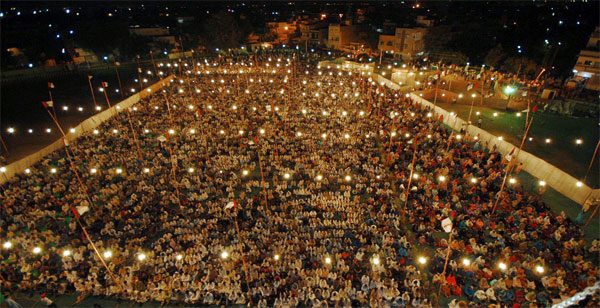
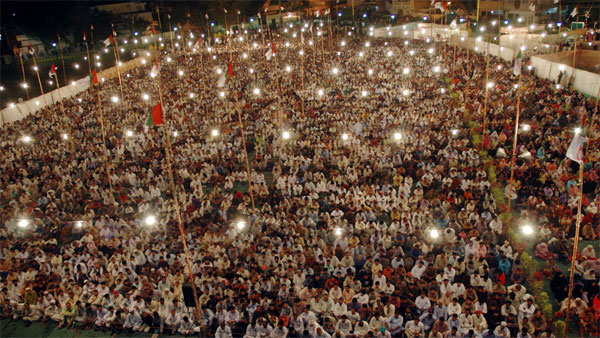
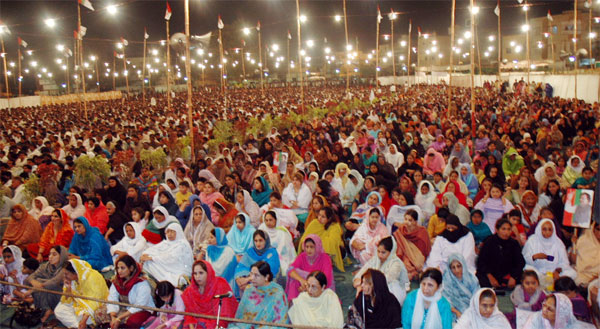
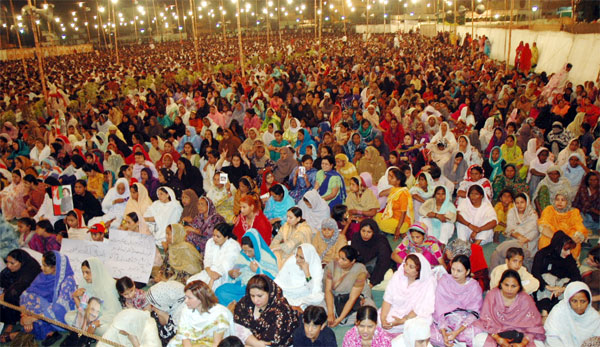


இது பற்றிய கூகுள் செய்திகோவை
இந்த மாபெரும் கூட்டத்தை அமைத்தது எம்.க்யூ. எம் என்ற அமைப்பு. இந்த அமைப்பு பிரிவினையின் போது இந்தியாவிலிருந்து பாகிஸ்தான் சென்ற முஸ்லீம்களது அமைப்பு.
இந்த அமைப்பின் தலைவரான அல்டாப் உசேன் என்பவர் பாகிஸ்தானிலிருந்து நாடு கடத்தப்பட்டு லண்டனில் வசிக்கிறார். அவரது டெலிபோன் பேச்சோடு இந்த கூட்டம் நடந்தது.
பல்லாயிரக்கணக்கான மக்கள் குழுமி இஸ்லாமிய தீவிரவாதத்துக்கு எதிராக கோஷம் எழுப்பினர்.
லாகூர் கராச்சி ஐதராபாத் ஆகிய நகரங்களில் நடந்த இந்த போராட்டத்தின் படங்களையும் கூட்டத்தையும் இங்கே காணலாம்.
http://www.mqm.org/English-News/Apr-2007/news070408.htm
இது பற்றிய கூகுள் செய்திகோவை
ஆஸ்திரேலியாவில் மிக வேகமாக வளரும் மதம்
ஆஸ்திரேலியாவில் மிக வேகமாக வளரும் மதம் புத்தமதம். அதற்கு அடுத்தபடியாக வேகமாக வளரும் மதம் இந்துமதம்.
செய்தி இங்கே
1996இலிருந்து 2001 வரைக்கும் இடைப்பட்ட காலத்தில் 80 சதவீதம் புத்தமதத்தை பின்பற்றுபவர்கள் அதிகரித்துள்ளனர்
அதே காலகட்டத்தில் இந்துமதத்தை பின்பற்றுபவர்கள் 42 சதவீதம் அதிகரித்துள்ளனர்.
கிறுஸ்துவ மதம் இதே காலகட்டத்தில் 0.6 சதவீதம் குறைந்துள்ளது.
செய்தி இங்கே
1996இலிருந்து 2001 வரைக்கும் இடைப்பட்ட காலத்தில் 80 சதவீதம் புத்தமதத்தை பின்பற்றுபவர்கள் அதிகரித்துள்ளனர்
அதே காலகட்டத்தில் இந்துமதத்தை பின்பற்றுபவர்கள் 42 சதவீதம் அதிகரித்துள்ளனர்.
கிறுஸ்துவ மதம் இதே காலகட்டத்தில் 0.6 சதவீதம் குறைந்துள்ளது.
Subscribe to:
Posts (Atom)